10 Top Digital Design Agencies in Europe for 2026

13minutes read
top digital design agencies in europe

Users decide whether to trust your product in about 50 milliseconds. In that flicker of time, before a single word of copy is read, design does all the heavy lifting. By 2026, the best digital design agencies in Europe have moved past "making things pretty" to solve a deeper problem: how to keep a product from breaking under its own weight as it scales across borders and new legal mandates, such as the European Accessibility Act.

The studios on this list treat design as a performance system rather than a set of static files. They’ve traded messy handoffs for lean, code-ready workflows that help engineering teams ship faster with fewer bugs. It means building a digital foundation that feels as intuitive on day 500 as it did on day one.

This guide skips the portfolio fluff to focus on the 10 agencies moving the needle this year. We look at how they handle "speed to insight" and where they sit on the technical spectrum, from logic-heavy SaaS dashboards to high-touch consumer apps. So, you can find a partner that fits your specific stage of growth.
Key Takeaways

  • A top digital design agency in Europe is defined by strategic UX maturity, delivery discipline, and the ability to operate under regulatory and organizational constraints.
  • European design leaders distinguish themselves by designing for trust, compliance, and scalability.
  • Industry expertise materially affects UX decisions because risk tolerance, compliance demands, and user behavior vary significantly across sectors.
  • The best agencies tie design work to measurable business outcomes through clear metrics, system thinking, and implementation-ready deliverables.
  • Choosing the right partner requires matching agency strengths to company stage, complexity, and delivery reality.

What “Top” Really Means in European Digital Design

Calling an agency “top” only makes sense if the criteria match the risks buyers are carrying. In Europe, these stakes are about whether design decisions hold up under regulatory constraints, multilingual markets, complex stakeholder environments, and the operational reality of shipping and maintaining digital products over time. 

For this list, “top” means an agency consistently translates strategy into product choices, runs a mature UX process that reduces rework, and delivers assets that engineering teams can implement without redesigning half the system in production. Let’s review key aspects we evaluate while considering the list of top digital design studios.

Strategy-Driven UX and Product Thinking

Strategy-driven UX is visible when an agency can explain why a specific interaction or information architecture choice supports the business model. You see it in the way they frame problems before designing solutions and how they separate user needs from stakeholder preferences. 

Product thinking matters because most European clients need a design that has to scale across features, markets, and teams. The top agencies behave like partners to product leadership. They pressure-test assumptions and define what “good” looks like in the context of your funnel and operating model.

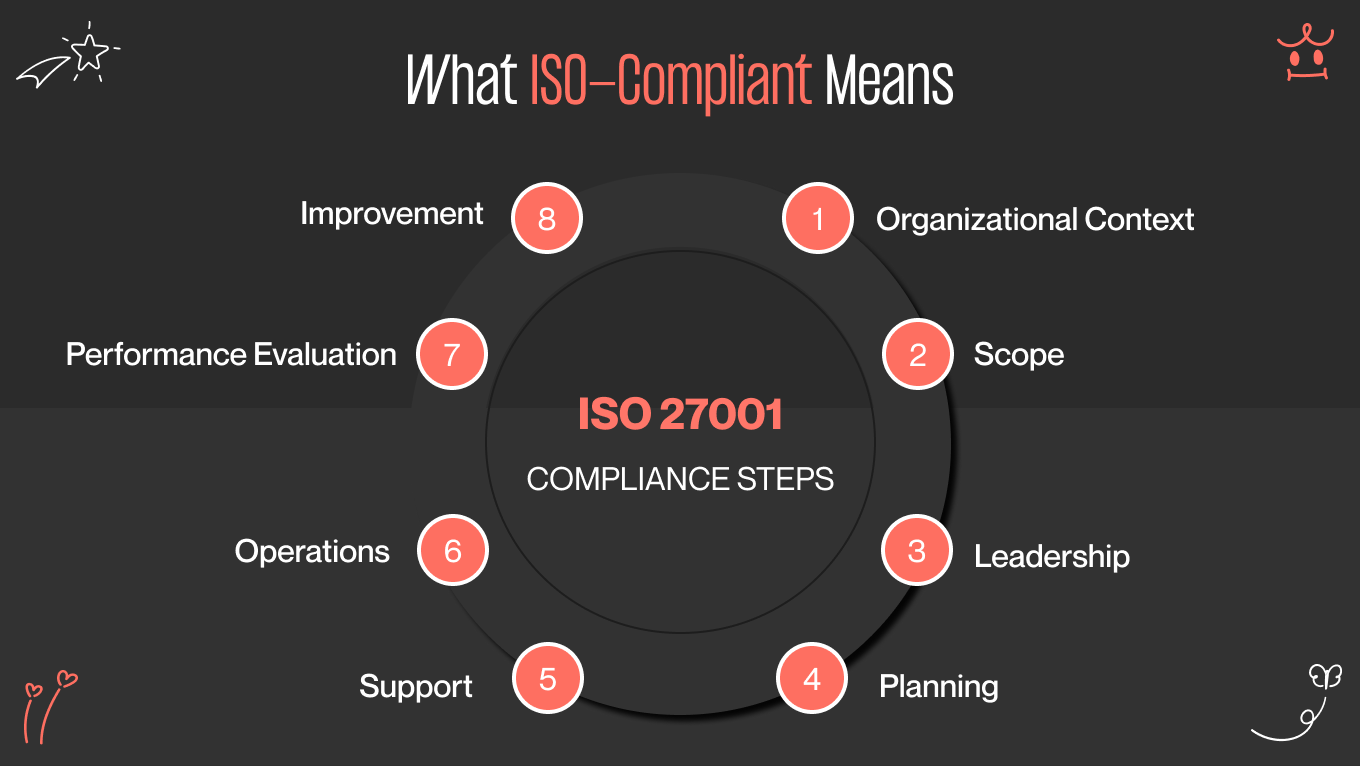
Privacy, Security, and ISO-Certified Design Standards

Trust is a product requirement shaped by GDPR expectations, sector regulation, and user sensitivity to data handling. Best design agencies in Europe deliver with privacy constraints in mind from the start. That shows up in consent flows that are understandable, data collection that is defensible.

Security-aware design is also a UX discipline. Authentication, permissions, error handling, and session management are user-facing moments where trust is either earned or lost. Mature agencies collaborate with security and engineering early, so the design supports secure defaults without introducing friction that pushes users into unsafe workarounds.

What Sets Best European Design Agencies Apart

The top digital design agencies in Europe tend to be more comfortable working inside constraints than trying to design around them. Multi-language UX, accessible design standards, cross-border brand consistency, and procurement-driven delivery models force rigor. You often see better documentation habits and more emphasis on design systems as operational infrastructure.

The ability to design for a "skeptical" user is what sets the European landscape apart. As on this market digital fatigue is high and patience for marketing fluff is low, top digital design agencies in Europe excel at functional transparency.

For product owners who are seeking a strong design vendor, the takeaway is simple. The best European agencies are operationally mature, regulation-literate, and accountable for outcomes that show up in product performance months after launch.

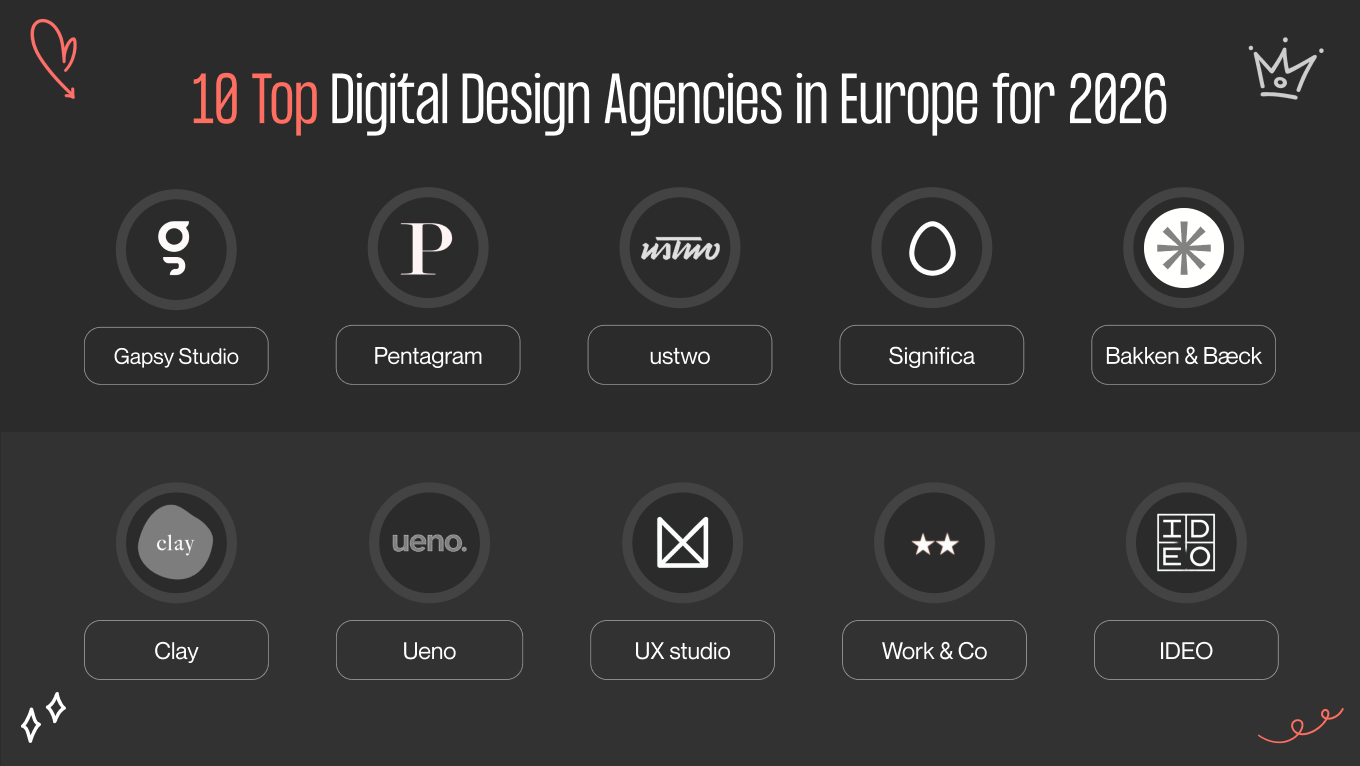
10 Top Digital Design Agencies in Europe for 2026

Agency

Core Expertise

Best fit when you need

Gapsy Studio

UI/UX design, digital product design, performance-focused UX

High-craft UI/UX with performance discipline for web and mobile products

Pentagram

Brand systems, identity, multidisciplinary design

Partner-led brand and digital identity work with senior creative direction

ustwo

Digital product strategy, UX/UI, end-to-end product design

End-to-end digital product design with strong discovery-to-delivery flow

Significa

Digital product design and development

Digital product design, development, and delivery under one team

Bakken & Bæck

Product strategy, design, and engineering

Product strategy, design, and engineering for complex, scalable builds

Clay

Premium UX, branding, high-fidelity digital interfaces

Premium UX and brand-led digital experiences for high-visibility products

Ueno

High-craft digital design and brand expression (legacy)

High-craft digital design legacy with strong cultural influence

UX studio

UX research, usability, and workflow-driven UX design

Research-driven UX for B2B SaaS and complex workflows

Work & Co

Large-scale digital product design and engineering

Large-scale digital product delivery with engineering rigor

IDEO

Human-centered design, service design, innovation strategy

Human-centered innovation, service design, and transformation work

Gapsy Studio: Top Digital Design Agency in Europe for High-Integrity Digital Products

Gapsy Studio has solidified its reputation as a top digital design agency in Europe by moving beyond simple visual polish to offer high-velocity, performance-driven product design. With over 9 years of experience and a portfolio of 300+ completed projects, they are the go-to for companies that need to balance complex backend logic with an intuitive, "human" frontend.Their market proof is supported by third-party review coverage, including 52 reviews on Clutch.

Core Services

UI/UX design for web and mobile, product design, branding, motion design, and supporting delivery assets that bridge design and build. Their positioning emphasizes design as a performance lever, which is a useful lens for teams optimizing conversion and adoption.

Industries and Notable Clients

Gapsy Studio repeatedly frames its strongest coverage around Fintech, SaaS, Health, Education, Retail, and Real Estate. 

Why Gapsy Studio Stands Out

  • High-output track record: 300+ delivered projects suggest repeatable delivery.

  • Awards plus execution: awards indicate craft, but the positioning also stresses measurable outcomes, which is a rarer combination.

  • Cross-industry fluency: useful when your product touches multiple decision patterns, for example, B2B SaaS with fintech-like trust requirements.

  • Strong fit for performance-sensitive UX: especially when conversion, onboarding, or activation are commercial bottlenecks.

Pentagram: Partner-Led Design Consultancy for Brand and Digital Systems

Pentagram is a partner-led independent company that provides UX consulting services and others with offices in London and Berlin, and a long-standing reputation in brand and identity work. Their model is structurally different from many studios, since partners run autonomous teams while sharing a common platform.

Core Services

Visual identity, digital experiences, campaigns, and multi-disciplinary design work spanning visual systems and digital touchpoints. Pentagram is typically selected when the creative direction must be definitive and senior-led.

Industries and Notable Clients

They have a broad cross-sector footprint, and public references highlight major identity and brand system engagements. 

Why Pentagram Stands Out

  • Senior-led creative accountability: partner ownership reduces the risk of “junior team drift.”

  • Brand systems that scale: strong when you need a durable identity that survives multiple product teams and markets.

  • Clarity under ambiguity: effective when stakeholders disagree, and someone has to set a direction that can be implemented.

  • High leverage for trust signals: especially in categories where brand credibility directly affects conversion and retention.

ustwo: Digital Product Studio with Strong Discovery-to-Delivery Capability

ustwo is a digital product studio founded in London, known for designing and building digital experiences with a human-centered orientation. Public references point to a multi-studio global footprint and a mature delivery model.

Core Services

Discovery, UX strategy, design, and build for digital products, typically framed as outcomes-driven work. This matters when you need one partner to carry responsibility from problem framing to shipped product.

Industries and Notable Clients

Ustwo’s public positioning is intentionally broad, which usually indicates category flexibility but requires stronger diligence on relevant case studies. Ask directly for examples that match your regulatory and platform constraints.

Why Ustwo Stands Out

  • Integrated product mindset: less “design as deliverables,” more “design as product decisions.”

  • Strong at making ambiguity actionable: good when problem definition is still evolving.

  • Delivery credibility: effective where design must translate into shipped experiences.

  • Balanced craft and pragmatism: tends to suit teams that need strong UX without slowing execution.

Significa: Digital Product Design and Development

Significa is a digital product design and development agency based in Porto, with a clear “design plus build” stance. This structure is useful when you want fewer seams between UX decisions and implementation.

Core Services

Product strategy, UX/UI web and mobile-app design, and development delivery positioned as turning complexity into clarity. Their value is usually highest when a product needs both design direction and engineering execution alignment.

Industries and Notable Clients

They work across multiple industries, with a primary focus on digital product delivery for technology-driven businesses, including SaaS platforms, consumer applications, and data-intensive products.

Why Significa Stands Out

  • Reduced handoff risk: design decisions are made closer to implementation reality.

  • Practical product delivery: strong fit for teams that need design and build to move together.

  • Clear accountability: fewer seams between “what was designed” and “what was shipped.”

  • Good for scope discipline: integrated teams tend to expose feasibility issues earlier.

Bakken & Bæck: Product Strategy, Design, and Engineering Studio

Bakken & Bæck operates across several European cities and is structured for product work that requires design and engineering alignment. They are typically strongest when you need a team that can carry complex builds with a clear product narrative. Their model suits clients who care about long-term maintainability and governance.

Core Services

Bakken & Bæck combines product strategy, UX/UI and branding design, prototyping, and engineering delivery in one delivery model. The work is typically structured to reduce handoff risk and keep implementation fidelity high when products evolve quickly.

Industries and Notable Clients

They operate across industries, with a recurring fit in products where complexity, data structure, and platform constraints materially shape UX decisions. 

Why Bakken & Bæck Stands Out

  • Engineering-aware UX: design choices tend to map cleanly to build constraints.

  • Good fit for complex products: especially platforms with multiple user roles and dense workflows.

  • System thinking: strong when your real need is coherence across many surfaces and teams.

  • Less “campaign” energy, more product rigor: useful for long-lived platforms.

Clay: Improved UX and Brand-Led Digital Experiences

Clay is known for high-craft digital product and brand work with a strong European footprint. They are typically chosen when the interface itself is a trust and pricing signal, and the bar for visual execution is non-negotiable. The diligence question is whether their delivery artifacts and system details match your engineering reality.

Core Services

Clay delivers digital product design, brand systems, and high-fidelity UI for products and websites where craft and cohesion are commercially important. Their outputs often emphasize premium visual execution alongside interaction design that can carry brand meaning into the interface.

Industries and Notable Clients

They are most commonly associated with category leaders where design quality influences trust, conversion, and pricing power. The best fit is typically products competing in crowded markets where differentiation is expressed through both usability and perceived quality.

Why Clay Stands Out

  • Exceptional UI craft: strong for products competing on perceived quality and trust.

  • Brand-to-product coherence: useful when brand expression must show up inside the interface.

  • High-impact surface design: good for flagship flows, homepages, and conversion-critical journeys.

  • Best when paired with strong product owners: to ensure decisions stay anchored in outcomes.

Ueno: High-Craft Digital Design Legacy Studio

Ueno is an influential studio with Icelandic roots and a strong legacy reputation in digital design. Depending on your editorial framing, you should be precise about whether you are referencing historical work or a current vendor capability. Their inclusion makes sense when you are discussing European influence on modern product aesthetics and craft standards.

Core Services

Ueno has been associated with UI/UX, digital experience design, and branding work where craft and coherence are central to the outcome. The studio’s legacy is often referenced for the quality bar it set in modern product aesthetics and interface detail.

Industries and Notable Clients

Ueno’s work links to tech-forward brands and high-visibility digital products where design quality is part of the brand’s public perception.

Why Ueno Stands Out

  • Outsized influence on product aesthetics: many teams benchmark “modern product feel” against work like this.

  • High craft standard: useful as a reference point for what top-tier execution looks like.

  • Strong design culture impact: more relevant for inspiration and standards than procurement.

  • Use with editorial clarity: avoid implying vendor availability if that is not verifiable.

UX Studio: Research-Driven UX Agency for Complex Products

UX studio is a Budapest-based agency known for research-led UX and product clarity. They are a strong fit when the interface is complex, the workflow must be efficient, and internal stakeholders need evidence-based decisions. Their value is often highest in B2B website design trends where usability directly affects adoption and churn.

Core Services

UX studio provides UX research, UX/UI design, usability testing, and design systems, with an emphasis on making decisions testable and defensible. Their delivery tends to focus on workflow efficiency and information architecture clarity.

Industries and Notable Clients

They are most commonly aligned with B2B SaaS and complex platforms with multiple roles, permissions, and dense task flows. This is a strong fit when adoption, retention, and support load are tightly linked to usability.

Why UX Studio Stands Out

  • Strong research discipline: useful when you need decisions to be defensible internally.

  • Clarity in complex workflows: good fit for admin panels, dashboards, and operational tools.

  • Reduces subjective debate: replaces “opinions” with tested insights and measurable criteria.

  • Pragmatic output: typically focused on usability and outcomes over visual theatrics.

Work & Co: End-to-End Digital Product Delivery Agency

Work & Co is known for building large-scale digital products with a strong engineering partnership. They are often selected when reliability, performance, and delivery certainty matter as much as design quality. This is the kind of partner you consider when the product must ship, scale, and hold up under traffic and operational pressure.

Core Services

Work & Co delivers product strategy, UX/UI design, and full build execution, typically with deep engineering involvement and clear implementation accountability. 

Industries and Notable Clients

They are commonly engaged by large organizations running high-traffic consumer platforms and enterprise-grade digital products. The fit is strongest where downtime, latency, security, and delivery risk have real commercial consequences.

Why Work & Co Stands Out

  • Shipping credibility: strong when delivery risk is your biggest concern.

  • Engineering rigor: useful for performance, scalability, and implementation fidelity.

  • Good for complex programs: can operate across multiple teams and releases.

  • Best for high-stakes products: where failure is expensive and public.

IDEO: Human-Centered Innovation and Service Design

IDEO’s European presence is typically relevant when the challenge is upstream of UI, meaning you need clarity on what to build, how a service should work end-to-end, or how an organization should change to deliver better experiences. They aren’t the default choice for “we need screens fast.” They are the choice when ambiguity, stakeholder misalignment, or service complexity is the bottleneck.

Core Services

IDEO provides human-centered design, innovation strategy, and service design, often packaged as programs that align teams on what to build and how the end-to-end experience should operate.

Industries and Notable Clients

They operate across industries, with recurring relevance in complex services where multiple touchpoints, policies, and teams shape the user experience.

Why IDEO Stands Out

  • Strong upstream problem framing: clarifies what matters before execution begins.

  • Service-level thinking: valuable when UX spans multiple touchpoints and teams.

  • Facilitates alignment: effective when internal decision-making is the constraint.

  • Best when paired with execution capacity: ideal if you have built teams ready to ship once direction is set.

How to Choose a Digital Design Agency for Your Specific Industry

Industry expertise means the team already understands what slows your users down and why that friction might be necessary. They know whether your audience needs three reassurances before entering an email address, or whether a streamlined flow will backfire because it skipped a disclosure that builds trust.

Generalist teams optimize for speed and simplicity. Specialists optimize for what works in your context: the verification steps you can't skip, the consent flows that prevent chargebacks, the UX audit trails that keep you compliant. They've already made the mistakes you're trying to avoid.

The economics matter too. A frictionless design that ignores regulatory requirements creates support tickets, failed conversions, and implementation delays that cost more than the project itself. In high-stakes categories, the right constraints aren't obstacles. They're load-bearing.

Why Industry Experience Impacts Results

Every industry has its own trust threshold. In Fintech, Healthcare, and Insurance, users are cautious and will abandon if the product feels unclear or overly intrusive. For example, in B2B SaaS design, users tolerate denser interfaces if they get speed and predictability, but they won't use a UX/UI design that is inconsistent and slows repetitive work.

Industry experience also shapes how agencies collaborate with your teams. In regulated sectors, the best digital design studios in Europe know how to bring compliance, legal, and security into the design process early without turning delivery into a committee-driven slowdown.

Common Design Challenges Across Industries

While industries differ, the failure modes repeat. The first is misjudging user risk tolerance, either adding friction where it doesn’t create trust, or removing friction where it is necessary for safety and credibility. The second is unclear information architecture, where users can’t build a stable mental model of the system, which shows up later as higher support volume.

There is also a consistent gap between design and implementation. Agencies with no experience in your industry tend to over-design UX design patterns that engineering can’t support under your security model, data structure, or platform constraints. The result is either a compromised build that drifts from design intent or a delayed launch while teams renegotiate scope.

How to Evaluate Relevant Case Studies

Case studies are only useful if you read them like operational evidence. Look for a clear problem statement that reflects category realities, then check whether the agency explains decision logic, the signals that shaped the solution, and the trade-offs it made. If every case study reads like a highlight reel and none discusses constraints, it usually means the agency is optimizing for aesthetics and storytelling.

Push deeper into three areas:

  • First, context: was the work done under similar regulatory, data, or platform constraints, and can the team explain those constraints clearly

  • Second, impact: look for outcomes tied to core journeys, such as reduced drop-off, improved activation, fewer support tickets, or faster delivery through a design system.

  • Third, implementation reality: ask what was shipped, how handoff worked, and what artifacts were delivered beyond screens. 

If an agency can demonstrate industry fit, constraint-aware design, and outcomes that map to product performance, you are making a defensible choice.

Startups, Scale-ups, and Enterprises: Different Needs, Multiple Criteria

Most disappointing agency engagements come from a mismatch between what the client actually needs and what the agency is optimized to deliver. Your company stage defines the job design that must be done, and it also changes the rules you have to operate under, including decision speed, governance, technical constraints, and stakeholder density. 

The right partner for a seed-stage team is often the wrong partner for a regulated enterprise, even if both can produce high-quality UI. When evaluating agencies, treat “stage fit” as a first-order criterion. Remember that you are buying operating rhythm, the ability to make decisions with imperfect information, and the discipline to produce outputs that survive the next phase of the company.

Design Priorities for Startups

Startups need a design that reduces uncertainty and accelerates learning. The priority is clarity in core flows, a value proposition that users understand in seconds, and an interaction model that supports fast iteration without breaking every time the scope shifts. 

You should look for digital design agencies that are comfortable making trade-offs explicit. They should be able to say what not to build, what can be deferred, and where a “good enough” UX decision is acceptable for the first release.

What Scale-Ups Need From a Design Partner

Scale-ups are past initial product-market fit, but they are usually paying for the debt they accumulated getting there. Design needs to shift from speed at all costs to repeatability, consistency, and cross-team alignment. The agency’s value is in creating systems that let multiple squads ship without fragmenting the experience, while also improving conversion.

At this stage, a good partner can build or stabilize a design system, define governance rules that product and engineering will actually follow, and instrument the UX so teams can measure what is working. You should expect strong collaboration patterns with engineering, clear handoff practices, and the ability to operate across multiple initiatives without losing a coherent product narrative. 

Enterprise Design Requirements and Processes

Enterprises buy reliability, auditability, and alignment. Design must work across legacy constraints, multiple platforms, and layered stakeholder environments where security, legal, procurement, accessibility, and brand all have real veto power. 

You should prioritize agencies that can demonstrate enterprise-grade UX operations. That includes experience with role-based access and permissions, complex information architecture, localization, accessibility standards, and design systems at scale with clear ownership. The best enterprise partners can move the organization forward without triggering chaos, because they know how to run workshops that produce decisions and manage approvals without stagnation.

Beautiful Design vs Business Results: What Matters More

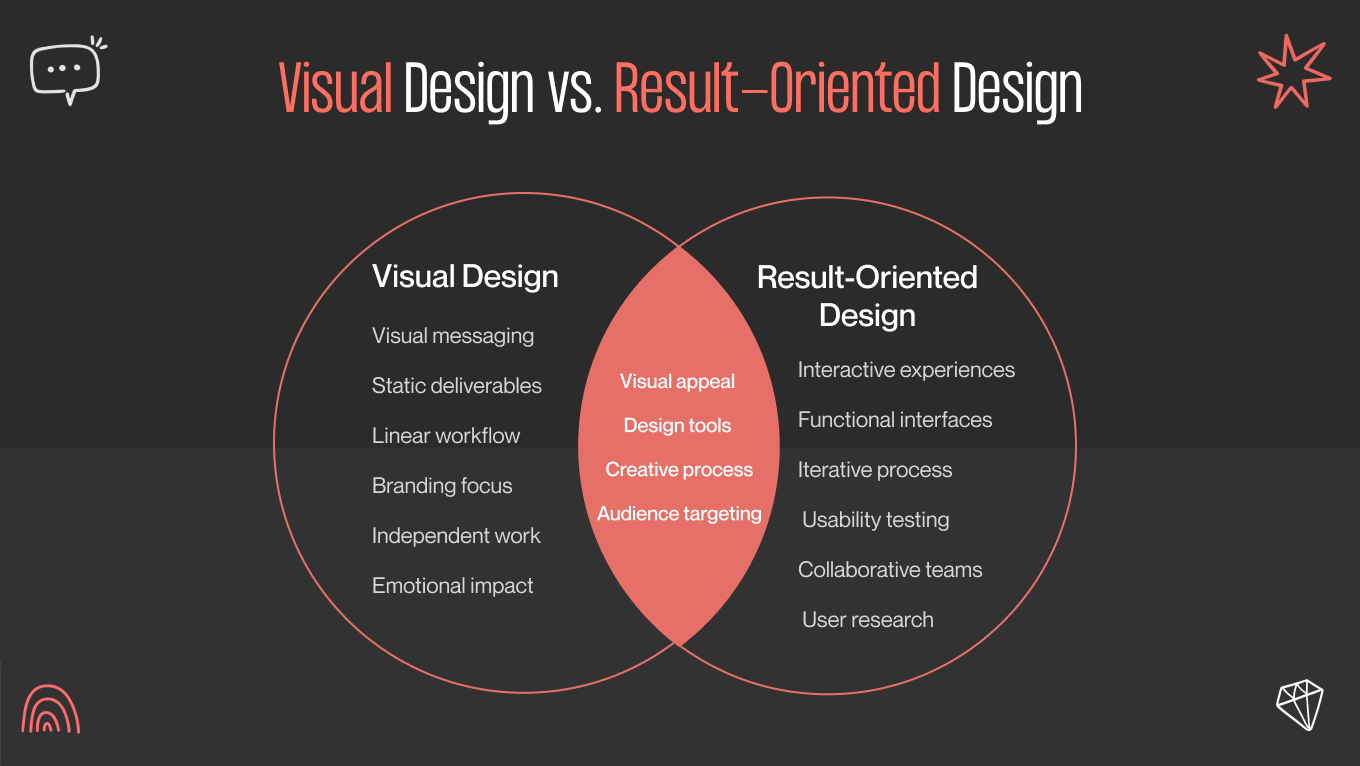
You can treat design as a surface layer or as a lever that changes user behavior and operational cost. Strong visual design matters because it shapes trust, comprehension, and perceived quality, but it is rarely the reason a product wins or loses over time. 

The winners are the teams that use design to reduce friction in core journeys, increase clarity at decision points, and make delivery repeatable through systems that engineering can sustain. Top digital design agencies understand this and build their work around measurable impact. 

Why Visual Design Alone Is Not Enough

Visual quality can create a strong first impression, but it can’t compensate for unclear product logic, confusing information architecture, or poorly designed edge cases. Users usually abandon a product when they can’t predict what will happen next, when the product feels risky, so you should treat user-friendly design.

There is also a practical delivery problem. If an agency optimizes for visuals without designing components, states, and behaviors that map cleanly to implementation, the result is expensive to build and expensive to maintain. Over time, the product drifts as teams ship under pressure, and what looks “beautiful” in a design file becomes inconsistent in production.

UX Metrics That Drive Business Growth

Measurable UX isn’t a dashboard full of generic numbers. The useful metrics tie directly to revenue, retention, and cost-to-serve. For acquisition and conversion flows, that typically means step-level drop-off, time-to-complete, error rates, and field-level friction in forms. 

For trust-sensitive categories, you also need indicators of confidence. That can include abandonment after consent prompts, repeated verification attempts, failed payments, or unusually high backtracking in critical flows. 

How Leading Agencies Align Design With ROI

Best digital design agencies align design with ROI by treating design as a hypothesis-driven operating discipline. They start by identifying which user journeys matter most economically, then map friction points to business impact and prioritize changes accordingly. This prevents teams from spending cycles on website redesigns that look impressive but don’t move outcomes.

They also design for sustainable delivery. That means building website design systems and component libraries that reduce implementation variance, specifying interaction rules and edge states. The ROI shows up in these places:

  • Improved user performance in the journeys that drive revenue

  • Reduced internal cost through faster

  • More consistent delivery with fewer regressions 

  • Less UI/UX redesign work

Red Flags to Watch Out for When Choosing a Digital Design Studio

Most agency failures happen because the engagement isn’t set up with clear decision rights, a workable operating cadence, and shared definitions of success. Top digital design studios in Europe can still produce weak outcomes if the process is vague, ownership is unclear, and expectations are managed through optimism instead of evidence. 

A useful way to evaluate red flags is to listen to how an agency talks about trade-offs. Strong teams are comfortable naming constraints, pushing back on unrealistic scope, and defining what they need from you to succeed. Weak teams avoid specificity until it is too late, then explain misses as “feedback cycles” or “changing requirements.”

Lack of Clear Process and Ownership

If the studio can’t describe its process in operational terms, you should assume you will be the one providing structure. You need to hear who drives discovery, who synthesizes research, who owns interaction decisions, how conflicts are resolved, and how sign-off works. If they present the process as a set of ceremonies without decision points, it usually means the work will generate activity without producing clarity.

Ownership is the other half of this. Many studios will say they are “collaborative,” then behave like an order-taking vendor when a hard decision appears. A reliable partner defines roles early, including what your product team owns, what the studio owns, and what requires joint decision-making. Without that, the project becomes a loop of subjective feedback, and delivery speed collapses.

Overpromising Without Evidence

Be wary of promises framed as inevitabilities, “we will increase conversion,” “we will fix retention,” or “we will redesign your product in six weeks.” Outcomes depend on data quality, traffic mix, engineering constraints, and organizational follow-through. Strong studios talk in terms of hypotheses, expected mechanisms, and what they will measure to confirm impact.

Evidence should also be concrete. Case studies that show only visuals and vague results like “improved engagement” aren’t evidence. When evaluating outcomes, look for clarity on the following points:

  • Baseline state: what the product or journey looked like before the engagement, including known problems, performance gaps, or user complaints.

  • Change introduced: what specific design, UX, or system changes were made, and why those changes were chosen over alternatives.

  • Measurement approach: which metrics were tracked, how they were defined, and over what period the results were observed.

  • Constraints and trade-offs: regulatory limits, technical debt, timeline pressure, traffic quality, or organizational factors that shaped the solution.

Poor Communication and Transparency

Communication issues show up as ambiguity, slow feedback loops, and a lack of visibility into progress, decisions, and risk. If the studio can’t commit to a cadence for updates, reviews, and decision-making, the project will drift. You should also pay attention to how they handle uncertainty. Mature partners surface risks early, name dependencies, and explain what is blocked and why.

Transparency includes pricing and scope boundaries. If they are evasive about what is included, what constitutes a change request, or what deliverables look like in detail, you are likely walking into scope ambiguity that will surface later as cost escalation or reduced quality. The best studios make boundaries explicit and treat clarity as part of the service.

Final Thoughts

The right digital design agency in Europe isn't the one with the best case studies. It's the one that already gets what you're dealing with. These can be the regulatory pressures, the user anxieties, the internal realities that shape what's possible.

You'll know you've found them when they ask about things that matter to your business. When they can explain why a design choice affects your support load or why a certain structure makes implementation easier. When the conversation feels less like a pitch and more like problem-solving with someone who's been there.

Most agencies will give you something that looks good. Fewer will give you something that works in your specific context, that your team can maintain, holds up under real conditions, and doesn't create new problems while solving old ones.

We work with teams who want to build their own design capacity, not depend on ours indefinitely. If you want to talk through what that looks like for your situation, get in touch. We'll help you figure out what you need and how to get there.

Rate this article

20 ratings
Average: 4.9 out of 5

If you like what we write, we recommend subscribing to our mailing list to always be aware of new publications.

Table of contents

desktop bannermobile banner

Need a design expert?

Do you have any questions? We tried to answer most of them!